


How Math Educational Tools Help Build Strong Problem-Solving Skills
Share
Math can be one of the most rewarding yet challenging subjects for young learners. Many students struggle not because they can’t compute, but because they find problem-solving intimidating. Developing strong problem-solving skills early on is essential for success not just in math class, but in everyday life. The ability to reason, analyze, and make logical decisions shapes how children approach the world around them. That’s where math educational tools come in. These interactive and engaging resources transform math from a daunting subject into an exciting adventure. Modern math educational tools don’t just teach equations they help children think critically, reason logically, and approach problems with confidence.
What Are Math Educational Tools?
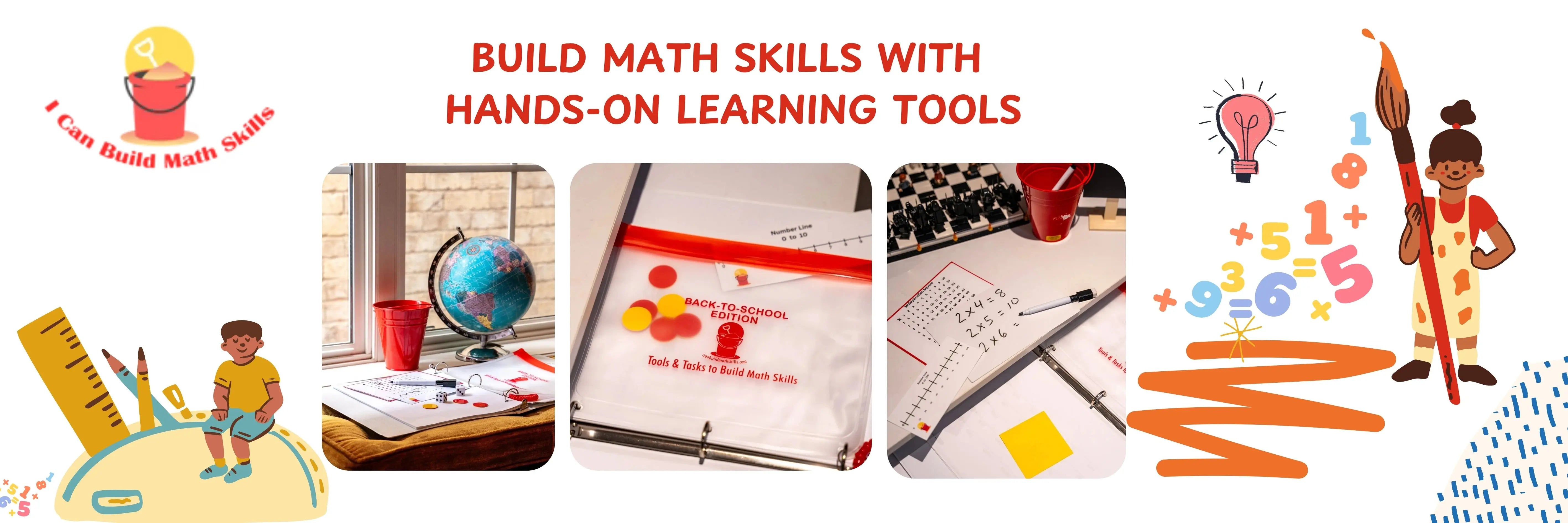
Math educational tools refer to physical and digital resources that make learning math interactive and engaging. These include counting cubes, abacuses, number lines, geometry kits, and even digital apps or games designed to teach mathematical concepts. Platforms like Khan Academy Kids, Math Playground, or Prodigy combine visual learning with play-based instruction. The goal is to make math tangible something children can touch, manipulate, and explore. The right math educational tools bridge the gap between theory and practice, allowing students to visualize complex problems and develop real understanding rather than memorizing formulas.
How Math Educational Tools Support Problem-Solving Development
Math problem-solving involves breaking down challenges into smaller, manageable steps. Math educational tools help children practice this process in an engaging way.
- Visualizing Abstract Problems: Tools like number blocks or fraction tiles turn complex ideas into clear visuals.
- Encouraging Experimentation: Interactive games and manipulatives invite students to test, explore, and learn from trial and error.
- Reinforcing Logic and Reasoning: Regular practice with these tools helps students recognize patterns and apply logic consistently.
By strengthening conceptual understanding, math tools nurture analytical thinking and creative reasoning skills that are vital not just for math, but for problem-solving across all subjects.
Types of Math Educational Tools That Build Problem-Solving Skills
There’s no one-size-fits-all approach to learning math. A variety of tools can be used to target different problem-solving skills:
- Manipulatives: Counting blocks, pattern tiles, and number lines are perfect for hands-on learners who benefit from tactile experiences.
- Digital Apps & Games: Adaptive platforms like Prodigy or SplashLearn adjust to each learner’s level and provide instant feedback.
- Workbooks & Task Cards: Offer structured challenges that help children solve step-by-step problems.
- STEM Kits: Combine math with science and engineering for real-world applications that enhance understanding.
Using diverse math educational tools keeps problem-solving fun and dynamic, helping children stay motivated as they learn to think critically and creatively.
The Role of Technology in Modern Math Education
Technology has revolutionized the way children learn math. Digital math educational tools personalize learning experiences by adapting difficulty levels based on performance. Gamified learning apps turn problem-solving into engaging missions where students earn rewards and track progress. This approach not only boosts motivation but also builds persistence—students are encouraged to try again when they make mistakes. Instant feedback, interactive visuals, and progress tracking make learning measurable and more enjoyable. By combining technology with teaching, educators can make math accessible to every type of learner.
Benefits of Using Math Educational Tools for Problem-Solving
Incorporating math educational tools into learning offers countless benefits:
- Builds Confidence: Guided discovery helps children feel capable and successful.
- Improves Focus and Memory: Visual and tactile experiences reinforce retention.
- Encourages Independence: Children learn to solve problems without relying solely on instruction.
- Promotes Collaboration: Many tools support group learning and peer interaction.
When children use math educational tools, they shift from memorizing answers to exploring multiple paths toward a solution. This active engagement leads to deeper understanding and long-term mastery.
How Parents and Teachers Can Use Math Educational Tools Effectively
The success of these tools depends on how they’re used. Parents and teachers should integrate them into daily routines in short, consistent sessions 10 to 15 minutes a day can make a big difference. Choose tools that match your child’s age and learning style: manipulatives for beginners, digital apps for visual learners, and puzzles for logical thinkers. Encourage children to connect math with real-life experiences, like cooking, budgeting, or measuring. Parents and teachers can maximize math educational tools by connecting lessons to real-life experiences, making learning both practical and fun.
Encouraging a Growth Mindset Through Math Tools
Problem-solving is as much about mindset as it is about skill. Math educational tools help children understand that mistakes are part of learning. Each wrong answer is an opportunity to rethink and explore a new approach. This builds resilience and perseverance qualities that support lifelong learning. When children see that effort leads to improvement, they develop a growth mindset that extends far beyond the classroom.
Turning Math Challenges into Opportunities
Math doesn’t have to be intimidating. With the right tools, it becomes a journey of discovery and creativity. Math educational tools turn abstract problems into engaging, hands-on experiences that teach critical thinking, patience, and problem-solving. By combining play with structured learning, they help children develop the skills and confidence needed to face challenges head-on. With the right math educational tools, every child can grow into a confident, capable problem-solver—ready to turn numbers into knowledge and challenges into opportunities.