


How to Help Kindergarteners Identify Numbers with Confidence
Share
Helping children master identifying numbers in kindergarten is more than memorizing it’s about building confidence through play and discovery. Early math development begins with recognizing and understanding numbers, a skill that sets the foundation for a child’s future academic success. When young learners can confidently identify numbers, they gain the tools to explore counting, patterns, and basic problem-solving. This article explores fun, effective, and confidence-building strategies that make identifying numbers in kindergarten an enjoyable and rewarding experience for every child.
Why Number Identification Is Important in Kindergarten
The skill of identifying numbers in kindergarten forms the foundation of math confidence and comprehension. Number recognition is not just about naming digits; it’s the first step toward understanding quantity, order, and relationships. When children can easily recognize numbers, they can count objects, compare quantities, and perform early arithmetic with greater ease. Beyond math, number identification supports everyday problem-solving from reading a clock to counting toys or understanding prices. Developing this skill early ensures children are ready to tackle more complex mathematical challenges in later grades.
Understanding How Young Learners Grasp Numbers
Children learn numbers through a variety of cognitive stages, including visual recognition, counting, and quantity matching. At first, they might see numbers as abstract symbols, but with guidance, they begin connecting those symbols to actual quantities. Each child learns differently some respond to visual aids, others to songs or movement. Teachers use diverse approaches to make identifying numbers kindergarten lessons engaging for all learning styles. Whether through colorful visuals, rhythm-based activities, or tactile materials, catering to different learners ensures that every child can progress confidently.
Fun and Engaging Activities to Teach Number Recognition
Playful activities make learning feel natural. For example:
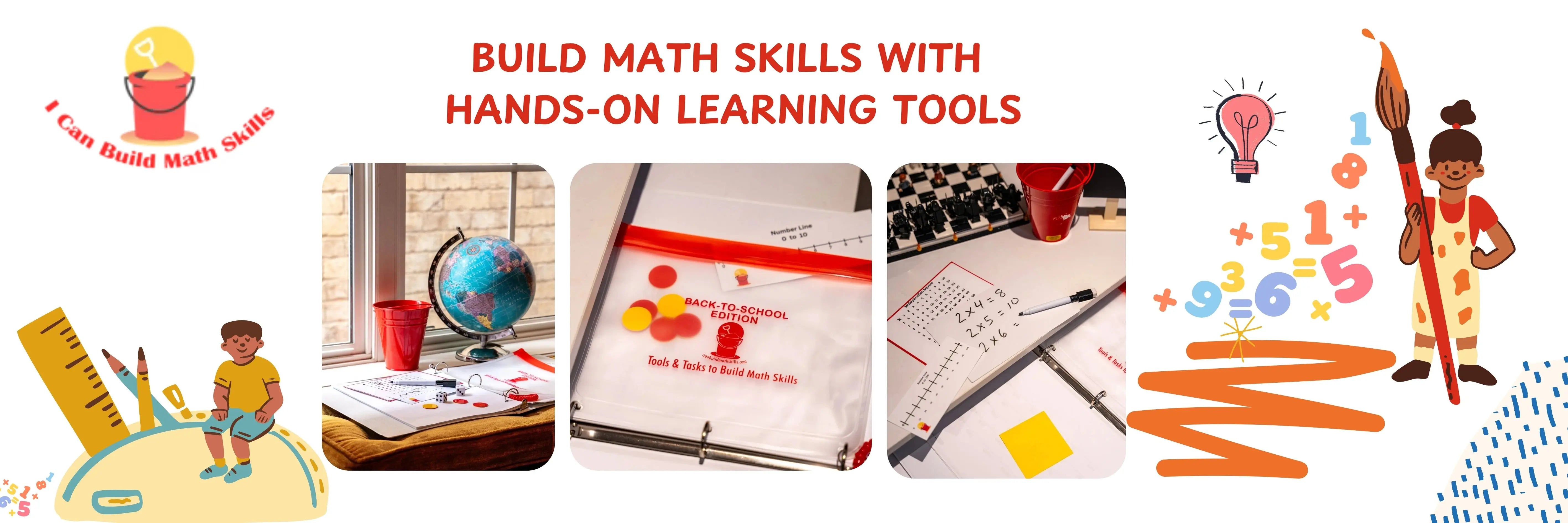
- Hands-On Learning: Using counting blocks, beads, or number puzzles helps children connect touch with understanding.
- Art and Craft Numbers: Tracing, coloring, or painting numbers strengthens visual memory and fine motor skills.
- Storytime with Numbers: Reading storybooks that feature numbers encourages recognition through context.
- Number Hunts: Hide numbers around the room or home for children to find — a fun mix of movement and learning.
Interactive activities make identifying numbers in kindergarten exciting and effective, turning lessons into moments of exploration rather than memorization.
Incorporating Technology and Digital Learning Tools
Technology can enhance early math learning when used thoughtfully. Math apps, digital flashcards, and interactive games adapt to a child’s learning pace, offering instant feedback and motivation. Platforms that track progress can help teachers and parents identify areas where extra support is needed. However, it’s important to balance screen time with real-world learning. Digital games can make identifying numbers kindergarten practice more engaging while complementing hands-on exploration and peer interaction.
Teaching Through Play: Making Learning Feel Natural
Play-based learning is one of the most effective methods for helping children grasp numbers. Games like hopscotch, dice play, or pretend “store shopping” teach counting and number recognition in a relaxed setting. When children learn through play, they feel less pressure and more enjoyment. Play-based identifying numbers kindergarten activities not only develop mathematical understanding but also build social and emotional confidence. Through imagination and interaction, children learn that math can be fun and approachable.
Creating a Number-Rich Environment
Surrounding children with numbers in their daily environment reinforces familiarity. Labeling classroom items or household objects with numbers helps kids see them everywhere. Parents and teachers can encourage counting everyday items snacks, toys, or stairs to make learning practical. Even while shopping, asking children to recognize prices or quantities promotes real-life application. A number-rich environment ensures children absorb numerical concepts naturally, without pressure.
Addressing Common Challenges in Number Recognition
It’s normal for children to struggle when identifying numbers in kindergarten especially with similar-looking digits like 6 and 9 or reversing 2 and 5. Some may also have difficulty maintaining focus during repetitive exercises. To overcome these challenges, educators and parents can:
- Use colorful visual aids and flashcards.
- Practice short, frequent sessions instead of long drills.
- Offer one-on-one reinforcement with patience and encouragement.
Repetition and gentle correction help children master tricky numbers without frustration.
Encouraging Confidence and Positive Reinforcement
Confidence plays a key role in early learning. Celebrate small milestones like correctly identifying a set of numbers to keep motivation high. Positive reinforcement, such as praise or stickers, shows children that effort leads to success. Setting small, achievable goals builds momentum and encourages persistence. When children feel capable, they approach new math challenges with enthusiasm and curiosity.
Helping Young Learners Shine in Math
Mastering number recognition opens the door to a lifetime of math confidence. By combining play, patience, and practice, teachers and parents can turn learning into a joyful journey. The process of identifying numbers in kindergarten should be engaging, supportive, and filled with encouragement. When children experience success early, they develop not only math skills but also a lifelong love of learning.