
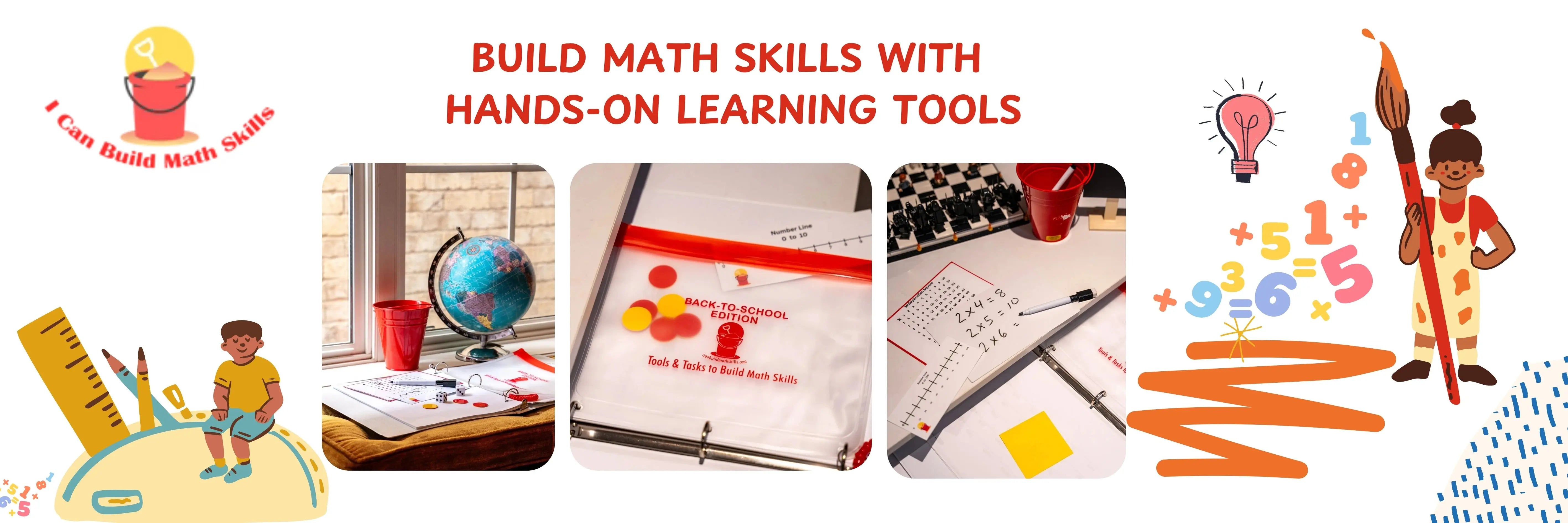


It is Back to School for Young Learners!
Share
There’s something truly special about the start of a new school year the smell of fresh notebooks, the thrill of new backpacks, and the joy of reconnecting with friends and teachers. For parents and children alike, back to school for young learners marks an important milestone filled with anticipation and growth. It’s a time of new beginnings, new routines, and new opportunities to learn and explore.
Understanding the Back-to-School Transition
Returning to school is both exciting and challenging for young learners. After the freedom of summer, adjusting to structured routines can take time. Children may feel a mix of emotions nervousness about the unknown, excitement to see friends, or curiosity about what they’ll learn next. Recognizing these feelings is the first step to easing the transition. Parents can help by validating emotions, listening patiently, and maintaining a consistent routine. The earlier a family starts preparing for this change, the smoother the experience will be. Back to school for young learners isn’t just about packing supplies it’s about helping them feel emotionally and mentally ready to take on the year.
Practical Tips to Prepare Young Learners for School
Preparation begins long before the first school bell rings. Start by gradually reintroducing structure at home set regular bedtimes, morning wake-up calls, and breakfast routines a week or two before school starts. This helps children adjust naturally to school schedules.
Creating a positive morning routine can make a big difference include activities like cheerful music, a healthy breakfast, and a few minutes of calm conversation. Encourage kids to take part in school prep tasks, such as packing their bags, choosing supplies, and labeling items with their names. Preparing for back to school for young learners starts at home, where excitement and independence can grow hand in hand.
Building Emotional and Social Readiness
One of the most important parts of back-to-school preparation is emotional readiness. Many children experience separation anxiety or hesitation during the first few weeks. Parents can ease this by talking openly about what to expect at school, arranging playdates with classmates, or visiting the school before the first day. Encouraging social skills such as sharing, taking turns, and listening helps children feel confident in group settings. Supporting emotional growth during back to school for young learners season is key to ensuring they begin the year with confidence and curiosity rather than fear. Small gestures like morning hugs, affirmations, or goodbye rituals can make all the difference in helping children feel secure.
Learning Through Play: Keeping Skills Sharp
Play is one of the most powerful ways young children learn. Educational play keeps their minds active and helps them transition back into a learning mindset. Activities like reading picture books, practicing counting, drawing, and storytelling encourage language, math, and creativity.
Turn Everyday Moments into Learning Opportunities
Simple activities like grocery shopping, cooking, or even nature walks can become lessons in numbers, colors, and observation. Parents can also use games and puzzles to reinforce focus and memory skills. Games and playtime make back to school for young learners more enjoyable and meaningful, turning what could feel like a stressful change into a season of fun and discovery.
Partnering with Teachers and Schools
Teachers play a vital role in helping children adjust to school life, but success truly comes from collaboration between home and classroom. Keep communication open with teachers by attending orientation sessions, reading newsletters, and asking about your child’s progress. Share insights about your child’s habits, learning style, or any anxieties they may have. Schools often provide resources and routines designed to ease transitions for young learners. When parents and teachers work together, the experience of back to school for young learners becomes a shared effort that fosters confidence and growth.
Creating a Calm and Encouraging Home Environment
The home environment sets the tone for how children feel about learning. Create a quiet, well-lit corner where your child can read, draw, or complete simple assignments. Reducing screen time on school nights helps maintain focus and better sleep habits. Encourage independence by assigning small daily responsibilities, such as packing their lunch or setting out their uniform. These habits build self-esteem and teach responsibility—essential qualities for success at school. A calm, supportive home environment ensures that the enthusiasm from school continues long after the final bell rings.
Making Back to School a Positive Experience
The back to school for young learners season is a time filled with excitement, growth, and opportunities to develop new skills. With thoughtful preparation both practical and emotional parents can make the transition enjoyable and stress-free. From morning routines to emotional support, every small effort helps children feel ready and confident to take on new challenges. Remember, the goal isn’t perfection but progress. With the right encouragement, back to school becomes more than just a change in routine it becomes a season of learning, independence, and joy.