
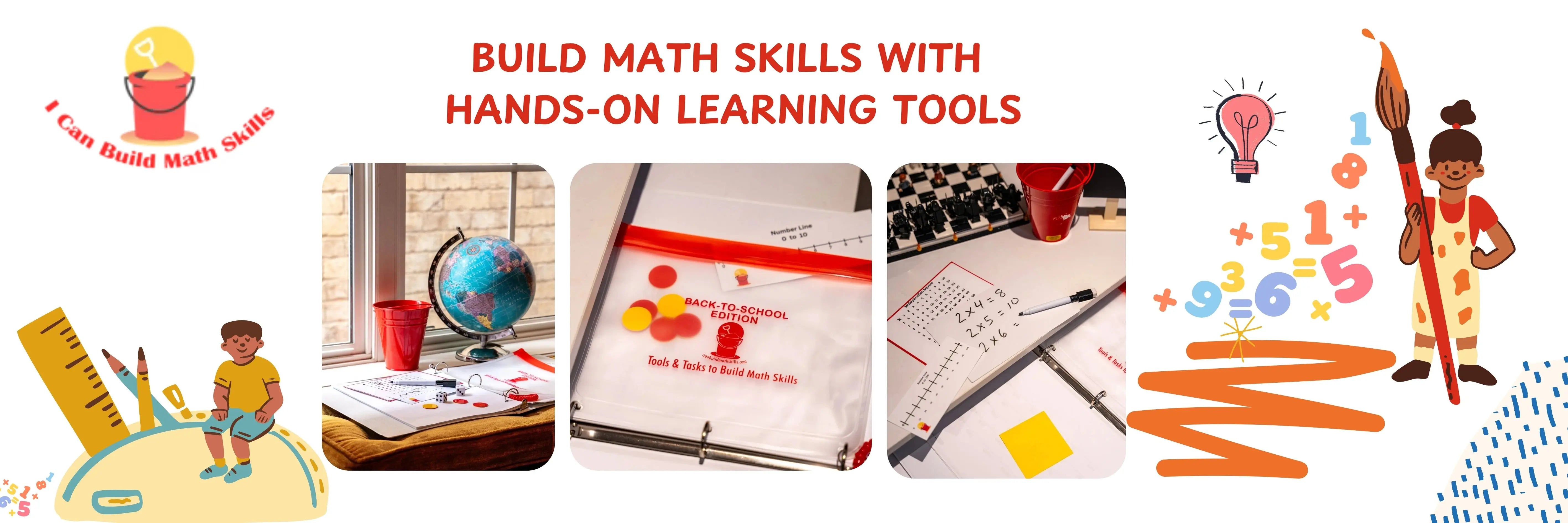


Affordable and Creative Math Tools for Kindergarten Students
Share
Early math education plays a crucial role in shaping how children view numbers, patterns, and problem-solving. In kindergarten, learning math should feel exciting and hands-on rather than intimidating. The right tools make this possible. With the right math tools for kindergarten, learning becomes a joyful mix of play, creativity, and discovery without breaking the budget. Parents and teachers don’t need expensive gadgets to nurture early math skills. A little imagination and a few everyday items can make math engaging, helping children develop confidence and curiosity for years to come.
Why Math Tools Are Important in Early Learning
Kindergarteners learn best through touch, movement, and play. Tactile learning strengthens understanding by connecting abstract ideas with real experiences. Using interactive math tools for kindergarten helps children connect math concepts to real-world understanding. Counting blocks, puzzles, or simple shape sorters help them visualize numbers, patterns, and relationships. These tools also improve memory and attention, keeping young learners focused and motivated. When children can physically manipulate numbers, they begin to understand addition, subtraction, and spatial reasoning naturally.
What Makes a Good Math Tool for Kindergarten Students?
Not all educational tools are created equal. A good math resource should be:
- Engaging and Colorful: Bright visuals capture attention and make learning fun.
- Easy to Use: Tools should be safe, simple, and perfect for small hands.
- Multi-Purpose: The best items can be reused for different math lessons.
- Affordable: Effective learning doesn’t have to come from expensive kits.
When selecting math tools for kindergarten, look for flexibility and fun over price. The more interactive and creative the tool, the more likely children are to stay engaged and develop strong foundational skills.
Affordable Math Tools You Can Find Anywhere
You don’t need a big budget to build a math-friendly environment. Many everyday items can serve as educational tools. Consider these inexpensive options:
- Counting Bears or Buttons: Perfect for sorting, grouping, and creating patterns.
- Ice Cube Trays or Muffin Tins: Excellent for teaching basic addition and subtraction.
- Clothespins and Cards: Help children match numbers with quantities or symbols.
- Dice and Dominoes: Promote counting, number comparison, and early probability.
- Building Blocks or Legos: Reinforce counting, size comparison, and spatial awareness.
Simple, affordable math tools for kindergarten can transform everyday items into meaningful learning experiences.
Creative DIY Math Tools for Kindergarten
Homemade tools can make learning even more personal. DIY math activities encourage both creativity and learning. Try these fun ideas:
- Number Line Ropes: Use yarn and paper tags to teach sequencing and counting.
- Shape Sorting Jars: Cut colored paper shapes and let children group them by type.
- Paper Plate Clocks: Teach time, order, and pattern recognition.
- Sticker Counting Boards: Combine stickers and numbers for fine motor and math skill practice.
DIY math tools for kindergarten are not only cost-effective but also strengthen a child’s connection to learning through creativity and play.
Digital and Printable Math Resources
Technology and printable resources can supplement hands-on learning effectively. Many websites offer free or affordable resources for young learners. Teachers Pay Teachers, Education.com, and ABCmouse provide printable worksheets and interactive math games that make practice enjoyable. Digital math tools for kindergarten can reinforce skills through colorful visuals, playful characters, and instant feedback. When used wisely, these resources balance fun with educational purpose and enhance traditional learning methods.
Integrating Math Tools into Daily Routines
Math doesn’t have to stay in the classroom. Parents and teachers can easily incorporate math learning into daily routines. For instance:
- Count snacks or toys during cleanup.
- Compare shapes while playing with building blocks.
- Create a “math corner” with counting jars and flashcards.
- Ask children to identify numbers during shopping trips.
Incorporating math tools for kindergarten into everyday moments helps children view math as a natural part of life rather than a subject to fear.
Encouraging Creativity and Confidence Through Play
Playtime is one of the best ways to teach math. Creative games build problem-solving skills and encourage independence. Activities like “Math Treasure Hunt,” “Shape Hopscotch,” or “Build and Count Towers” turn lessons into adventures. Through playful math tools for kindergarten, students learn to approach numbers with curiosity and excitement instead of anxiety. When learning feels like fun, confidence follows naturally.
Tips for Parents and Teachers on Budget-Friendly Learning
You can create a strong math foundation without overspending. Try these budget-friendly strategies:
- Reuse or recycle classroom and household materials.
- Shop during seasonal sales for affordable supplies.
- Join online educator groups to share free printables and DIY ideas.
Affordable math tools for kindergarten can fit any classroom or home setting. The focus should always be on engaging children through creativity and consistent practice rather than fancy equipment.
Learning Math Creatively Without Overspending
Early math learning should be joyful, hands-on, and accessible to all. With creativity, patience, and the right tools, every child can develop a love for math. You don’t need expensive gadgets to make math come alive just imagination and a few simple resources. With simple and creative math tools for kindergarten, every child can enjoy learning math with confidence, curiosity, and joy.